By the KMW Podiatry team. Last reviewed November 2026.
Longer days and the Christmas holidays mean more time on the trails, from a morning loop at Morialta or the climb from Waterfall Gully to Mount Lofty, to a coastal walk on the Fleurieu. Blisters are a common reason a good walk turns into a hobble. Many can be prevented, and most minor blisters heal with simple care. Here is how to look after your feet before, during and after a walk.
Why hiking causes blisters
A friction blister forms when skin is repeatedly rubbed or pressed, usually by a shoe, sock or strap, and fluid collects under the outer layer of skin. Common triggers on walks are:
- boots or shoes that are new, too loose, too tight or not yet worn in
- heat and sweat, which soften the skin and increase rubbing
- socks that bunch, slip or stay damp
- long descents, where the foot slides forward in the shoe
- grit, sand or seeds getting inside your shoe
Common spots are the back of the heel, the tips and tops of the toes, the ball of the foot and the side of the big toe.
Before you go
Choose footwear for the walk you are doing
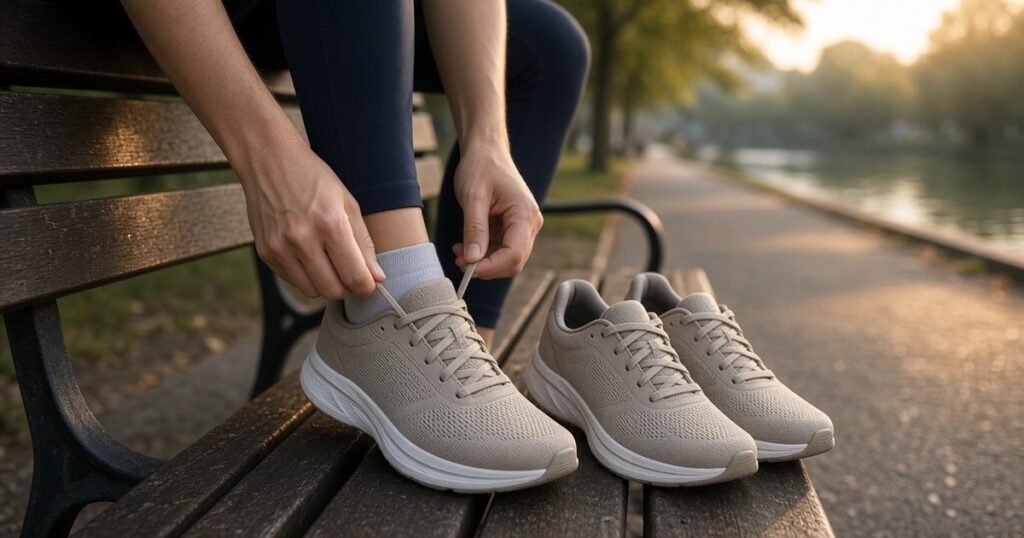
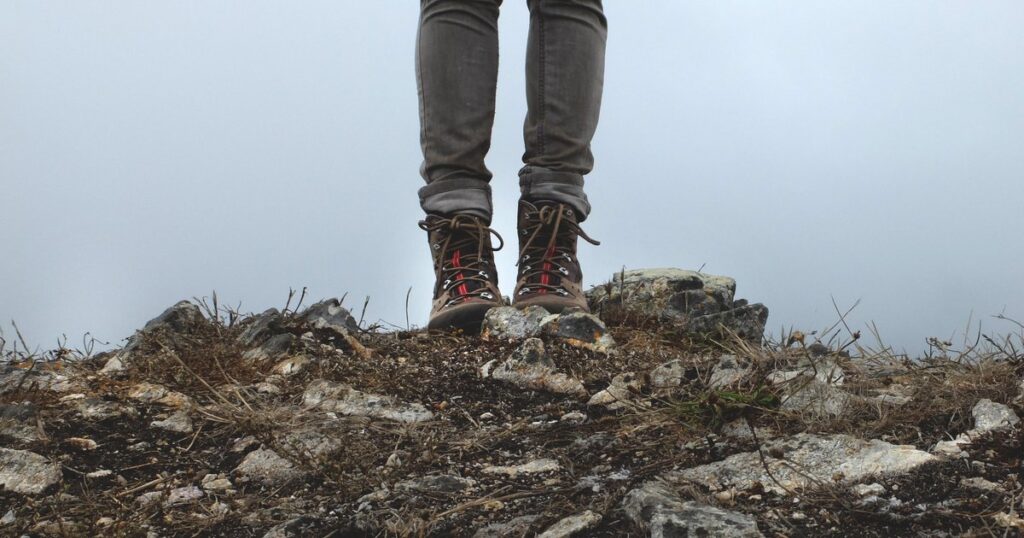
Light trail shoes suit many well-formed tracks, while rocky terrain or a heavy pack may call for more support. Whatever you choose should fit the length, width and depth of your foot, with enough toe room that your toes do not hit the front on descents. Try shoes on later in the day with your walking socks. Many of the fitting tips in our guide to choosing running shoes also apply to trail shoes.
Break them in
Wear new shoes or boots around the house and on short local walks first, then build up. A multi-day hike is not the time to test a new pair.
Get your socks right
Healthdirect suggests moisture-wicking socks to help keep your feet dry. Many walkers prefer synthetic or merino blends to cotton, which holds sweat. Avoid thick seams over the toes, and pack a spare pair.
Prepare your feet
- Trim your toenails straight across a few days before a big walk, so they do not press against the front of your shoe.
- If you know where you usually blister, cover that area with tape or a blister dressing before you start. A pharmacist can suggest suitable products.
On the trail
Stop at the first hot spot
A warm, stinging or rubbing spot is often the first sign of a blister. Stop, take your shoe off and check. Covering a hot spot early with tape, a blister dressing or anti-friction balm is much easier than dealing with a burst blister later.
Keep your feet dry and clear
Remove stones, sand or seeds as soon as you notice them, and change into dry socks after creek crossings or on hot days.
Adjust your laces
Retie your laces before long descents so your heel stays back in the shoe and your toes are less likely to jam against the front.
Plan around the heat and fire season
Much of the Heysen Trail closes during the Fire Danger Season, which usually runs from about November to April, and parks can close on days of high fire danger. Check National Parks and Wildlife Service SA closures and alerts before you go, start early on warm days and carry plenty of water.
Caring for a blister
Healthdirect advises that a minor blister should heal in a week or two, and that it is usually better to leave it intact and protected where possible, because the covering skin helps protect against infection.
- If the blister is intact: cover it with a blister dressing, or with a padded dressing cut into a doughnut shape so the pad sits around the blister rather than on it.
- If it has burst: wash your hands, clean the area gently, leave the loose skin in place and cover it with a clean dressing.
- Afterwards: reduce rubbing on that spot until it heals, which may mean different shoes, extra padding or a shorter walk.
When to get a blister checked
See your GP, or contact a podiatrist, if a blister:
- shows signs of infection, such as pus, increasing redness, swelling, warmth or worsening pain
- is large, very painful or keeps coming back in the same spot
- is not healing after a week or two
If you have diabetes, circulation problems or reduced feeling in your feet, check your feet every day, including after walks, and have any blister or break in the skin looked at promptly. Our guide to diabetes foot checks explains why this matters. If you feel unwell, have a fever or redness is spreading, seek medical care urgently.
Other trail foot problems
- Bruised or blackened toenails can happen when toes repeatedly hit the front of the shoe on descents. Have a painful, throbbing nail checked.
- Sore arches or heels that last more than a couple of weeks after a big walk are worth having assessed.
- Rolled ankles are common on uneven ground. Seek advice if you cannot put weight on your foot, or if swelling and pain are not settling.
How a podiatrist can help
If you keep getting blisters, a podiatrist can look at your feet, how you walk and your shoes and socks to help work out why. Options may include footwear and lacing advice, padding or taping, callus and nail care, and in some cases insoles. You can read more about our blister treatment and prevention care.
Frequently asked questions
How do I stop getting blisters when hiking?
Wear well-fitting, worn-in footwear and moisture-wicking socks, keep your feet dry, and deal with hot spots as soon as you feel them.
Should I pop a blister on the trail?
Where possible, leave it intact and protect it with a dressing, as the skin covering the blister helps reduce the risk of infection. If a large blister is very painful or likely to burst, a pharmacist, GP or podiatrist can advise.
Are hiking boots or trail shoes better for blisters?
Either can work. Fit and how well they are worn in usually matter more than the type of shoe.
How long does a blister take to heal?
A minor blister usually heals in about a week or two. Have it checked if it is not healing or looks infected.
Get your feet ready for summer walking
KMW Podiatry has 22 clinics across Adelaide and Gawler, and home visits are available for people who find it hard to travel. If blisters or sore feet keep cutting your walks short, book online or call 1800 962 113.
This article is general information only and is not medical advice. Please see your GP or podiatrist about your own feet. KMW Podiatry’s podiatrists are registered with the Podiatry Board of Australia through Ahpra.