By the KMW Podiatry team. Last reviewed November 2026.
Summer in Adelaide means swimming lessons, public pools, beach change rooms and plenty of time barefoot. It is also a time when many people notice a rough, sore spot on the sole of the foot and wonder whether it is a wart or a corn. This guide explains what plantar warts are, how they spread, the main treatment options and when to see a podiatrist.
What is a plantar wart?
A plantar wart is a wart on the foot, usually on the sole, heel or toes. Warts are caused by the human papillomavirus (HPV), which infects the outer layer of the skin. According to healthdirect, body weight pushes a plantar wart into the skin, so it is usually flatter than warts elsewhere and can be uncomfortable to walk on. Ordinary skin warts do not cause cancer.
Plantar warts are common in school-aged children and teenagers, but adults get them too.
Signs of a plantar wart
- a rough, hard patch of skin, often on a weight-bearing area such as the ball of the foot or the heel
- tiny black dots in the centre, which are small clotted blood vessels
- the normal skin lines on the sole running around the spot rather than through it
- pain when the spot is squeezed from the sides, or when walking
- a cluster of small warts joined together (a mosaic wart)
Plantar wart or corn?
Warts and corns can look similar, especially when a wart is covered with hard skin. Corns form where there is repeated pressure or friction and are not caused by a virus. A corn is often more painful with direct pressure, while a wart is often more painful when pinched. Black dots and broken skin lines suggest a wart, but it is not always easy to tell. A podiatrist can usually tell them apart by gently reducing the hard skin. Read more in our guide to corns and calluses.
How plantar warts spread
HPV can spread through direct skin contact, or indirectly from surfaces such as pool decks, change rooms and gym showers. It can take some time, sometimes up to a year, for a wart to appear after contact with the virus, so it is often hard to know where it came from. Small cuts or soft, damp skin may make it easier for the virus to get in.
To reduce the spread, healthdirect suggests:
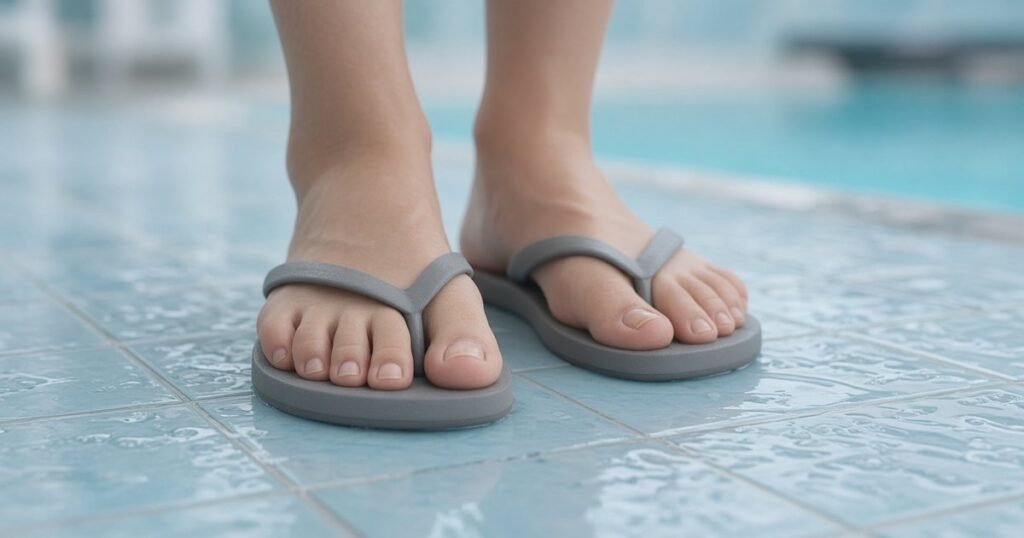
- wearing thongs in public showers, change rooms and around pools
- covering a plantar wart when you go swimming
- not sharing footwear, including socks, thongs and slippers
- changing your socks daily
- not sharing towels, pumice stones or emery boards
- cleaning the floor of your shower or bath well
- not picking or scratching a wart, and washing your hands after touching it
Our summer foot care guide has more tips for looking after your feet at the pool and beach.
Do plantar warts go away on their own?
Often, yes. Healthdirect notes that about half of warts in children disappear within six months without treatment, and almost all go away within two years. Warts can take longer to clear in adults. Many people choose to leave a wart alone if it is not causing problems.
Treatment may be worth considering if a wart is painful, spreading, affecting sport or walking, or simply bothering you.
Treatment options
There is no single treatment that suits everyone. Healthdirect notes that very few wart treatments have been well studied, and several treatments are often needed. Options include:
Treatments from the pharmacy
Salicylic acid or lactic acid preparations, sometimes called wart paint, are applied regularly and can take many weeks to work. Follow the directions on the pack and ask your pharmacist for advice. Covering a wart with strong waterproof tape is sometimes suggested, but the evidence is mixed. If you have diabetes, poor circulation or reduced feeling in your feet, talk to your GP or podiatrist before using any wart treatment at home.
Treatments from a podiatrist
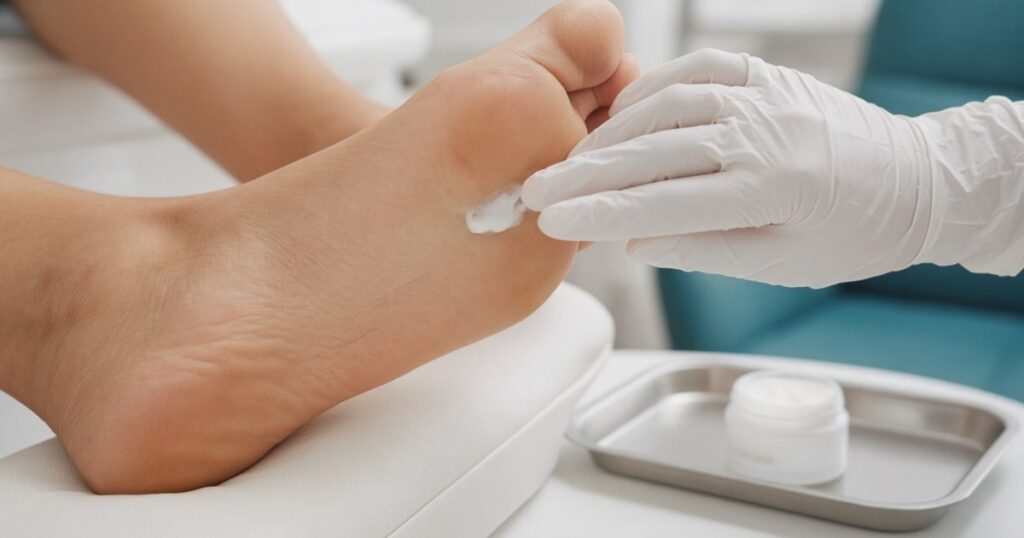
A podiatrist can assess the spot, confirm whether it is likely to be a wart, and discuss options such as:
- gently reducing the hard skin over the wart, which can ease pain and help other treatments reach the wart
- stronger topical treatments such as salicylic acid applied in the clinic
- cryotherapy (freezing)
- padding to take pressure off a painful wart
Your podiatrist will explain the likely benefits, side effects and number of visits for each option, and how they suit your age and health. Results vary between people and warts can come back. Learn more about plantar wart treatment at KMW.
Treatments from a doctor
For warts that do not respond, a GP or dermatologist may discuss other options, including prescription treatments or procedures.
When to see your GP or podiatrist
Book an assessment if:
- you are not sure whether the spot is a wart
- the wart is painful or making it hard to walk or play sport
- warts are spreading or several have appeared
- the area looks infected (red, swollen and warm) or bleeds
- the spot is changing in shape, size or colour
- you have diabetes, poor circulation, reduced feeling in your feet or a weakened immune system
- you are pregnant or planning a pregnancy, as some treatments may need to be avoided
Frequently asked questions
Are plantar warts contagious?
They are caused by a virus that can spread through skin contact and shared damp surfaces, such as pool areas and showers. Wearing thongs in shared wet areas and not sharing footwear or towels can help reduce the spread.
Can my child go swimming with a plantar wart?
Healthdirect suggests covering a plantar wart when swimming and wearing thongs around pools and change rooms. Check with your child’s swim school if they have their own rules.
Should I cut or dig out a wart myself?
No. Cutting a wart yourself can cause bleeding and infection, and may spread the virus. A podiatrist can reduce hard skin over the wart safely.
Will a plantar wart come back after treatment?
Sometimes. Warts can recur, and more than one treatment is often needed. Your podiatrist can suggest ways to reduce the chance of new warts.
Book a wart assessment
KMW Podiatry has 22 clinics across Adelaide and Gawler, with home visits for people who find it hard to travel. If you have a sore spot on your foot that is not settling, book online or call 1800 962 113.
This article is general information only and is not medical advice. Please see your GP or podiatrist about your own feet. KMW Podiatry’s podiatrists are registered with the Podiatry Board of Australia through Ahpra.