By the KMW Podiatry team. Last reviewed November 2026.
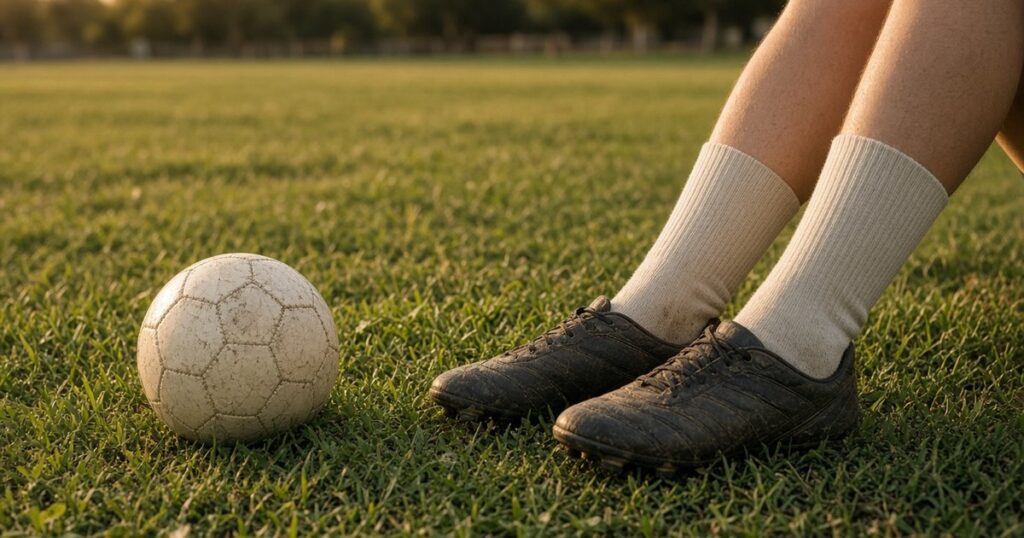
If your child comes off the footy oval, netball court or soccer pitch limping and rubbing their heel, Sever’s disease is one possible cause. Despite the name, it is not a disease. It is a common, usually temporary, irritation of the growth area at the back of the heel bone in growing children. This guide explains what it is, how it is usually managed and when it is worth seeing a podiatrist.
What is Sever’s disease?
Sever’s disease (also called calcaneal apophysitis) affects the growth plate at the back of the heel, where the Achilles tendon attaches. During growth spurts, bones can grow faster than the muscles and tendons around them. The calf and Achilles become relatively tight and pull on the still-developing growth plate. Repeated running and jumping can then irritate the area.
According to healthdirect, it most often affects children aged about 8 to 12 and is uncommon after about 15, once the growth plate has fused.
Common signs
Children with Sever’s disease often:
- have pain at the back or sides of the heel, in one or both feet
- limp or walk on their toes, especially after sport
- complain more during or after running and jumping activities
- feel stiff first thing in the morning or after resting
- have tenderness when the sides of the heel are squeezed
Pain is often worse during a busy sport season, at the start of a new season, or after a change to harder ground or new boots.
What can make it worse?
Several factors may contribute, and they often combine:
- a recent growth spurt
- lots of running and jumping sports, or several teams at once
- hard playing surfaces
- worn-out shoes, or football boots with little heel cushioning
- tight calf muscles
- foot posture, such as very flat or high-arched feet
What helps at home?
Sever’s disease is usually managed without surgery or medicines. Common approaches include:
Adjusting activity. Your child does not always need to stop sport completely. Reducing the amount of running and jumping for a while, or swapping some sessions for lower-impact activities such as swimming or cycling, may help symptoms settle.
Ice after activity. A wrapped ice pack on the heel for 10 to 15 minutes after sport can ease soreness.
Calf stretches. Gentle, regular calf stretches are often recommended. A podiatrist can show your child how to do them properly; see our stretching programs.
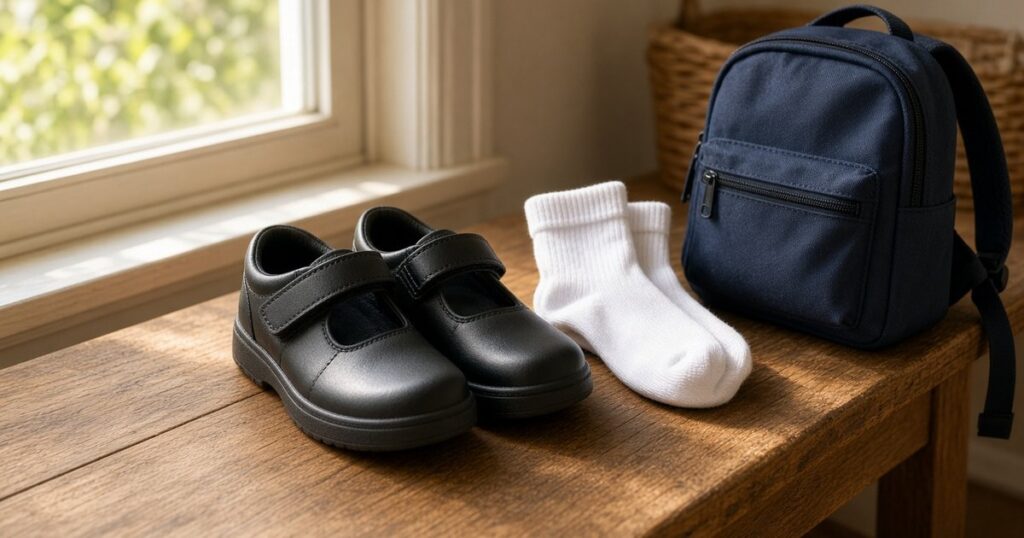
Supportive footwear. Shoes with good heel cushioning and support for school and sport can reduce strain. Avoid going barefoot on hard surfaces when the heel is sore. Our shoe fitting advice page has tips on fit.
Heel cushions. Simple heel raises or cushioning pads in shoes are sometimes used to reduce the pull on the heel for a period.
Symptoms often come and go over months, and typically settle once growth slows. Every child is different, so recovery time varies.
When to see a podiatrist
It is worth booking an assessment if:
- the pain lasts more than a couple of weeks or keeps coming back
- your child is limping, avoiding sport or changing how they walk
- home measures do not seem to help
- pain is affecting school, sleep or daily activities
At an appointment, a podiatrist will usually ask about your child’s sport, growth and footwear, examine the heel and lower leg, look at how they walk and run, and check their shoes and boots. Management may include a stretching and strengthening plan, footwear advice, heel raises or cushioning, activity planning for the season and, where suitable, orthoses. Read more about children’s heel pain treatment.
When to see your GP first
Heel pain in children is not always Sever’s disease. See your GP promptly if your child has heel pain together with:
- swelling, redness or warmth
- fever or feeling unwell
- pain at night or at rest that is getting worse
- pain after a fall or injury, or they cannot put weight on the foot
- pain in other joints
These signs need medical assessment to rule out other causes.
Frequently asked questions
Does my child need to stop playing sport?
Not always. Many children keep playing with some changes, such as fewer sessions, shorter training or more rest days. A podiatrist can help you plan this around your child’s pain and season.
Will Sever’s disease cause long-term problems?
It is usually temporary and typically settles once the growth plate has finished developing. Some children have flare-ups over several seasons before it settles for good.
Are orthotics needed for Sever’s disease?
Not for every child. Footwear changes, heel cushioning and stretches are often tried first. Orthoses may be considered for some children, depending on their foot posture and symptoms.
At what age does Sever’s disease stop?
It most commonly affects children aged about 8 to 12 and is uncommon after about age 15, when the heel growth plate has fused.
Book a children’s podiatry appointment
KMW Podiatry sees children and teenagers at clinics across Adelaide and Gawler. Learn more about our paediatric podiatry services or book an appointment online. You can also call 1800 962 113.
This article is general information only and is not medical advice. Please see your GP or podiatrist about your child’s own situation. KMW Podiatry’s podiatrists are registered with the Podiatry Board of Australia through Ahpra.