
Dry Needling for Plantar Fasciitis in Adelaide
Plantar fasciitis is a common condition that causes heel pain and discomfort in the foot. Dry needling is one option that may be discussed for some people with plantar heel pain. This page explains what it involves, its limitations, and how it fits with other plantar fasciitis treatment options.
What is Dry Needling for Plantar Fasciitis & How Does it Work?
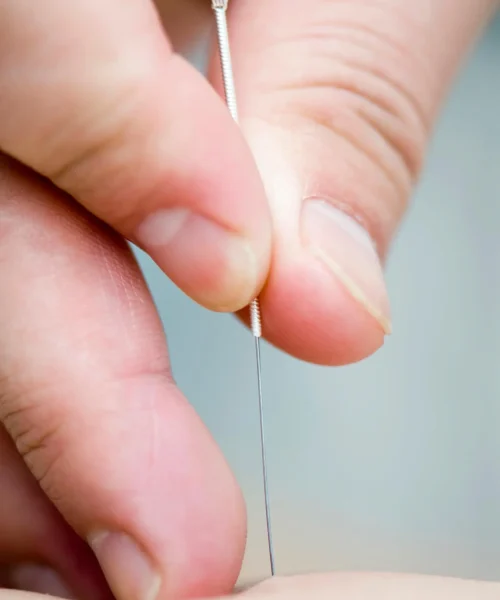
Dry needling is a technique that involves the use of very thin needles inserted into tight muscle areas, called trigger points. This method is known as trigger point therapy. It is sometimes used as one part of care for plantar fasciitis, especially in the calf muscle and plantar fascia.
Fine needles are placed briefly into tight areas of muscle. The aim is to reduce muscle tightness that may be contributing to heel pain. Responses vary: some people notice less tightness, others notice little change, and some feel sore for a day or two afterwards.
It aims to address muscle-related contributors to heel pain; evidence is mixed and it is usually combined with loading exercises and footwear advice. It isn’t suitable for everyone, and your podiatrist will explain the alternatives.
Why Choose Us for Your Care?
KMW Podiatry provides podiatry care across metropolitan Adelaide and Gawler, with treatment planned around each patient’s needs.
Health Scheme Support
We see patients under WorkCover, GP care plans, NDIS, DVA, Support at Home and other funding arrangements, so cost and eligibility are clear from the start.
AHPRA-Registered Podiatrists
Your care is provided by podiatrists registered with the Australian Health Practitioner Regulation Agency.
Convenient Locations
Clinics across metropolitan Adelaide and Gawler, located inside GP practices, medical centres and stand-alone sites.
Home Visits Available
Where travelling to a clinic is difficult, eligible patients across Adelaide can receive podiatry care at home.
What Is Known About Dry Needling for Plantar Fasciitis?
Dry needling for plantar fasciitis has gained attention in recent years, and some studies suggest it may help some people, although the evidence is still limited. Some people report pain relief after dry needling sessions, but results vary between people.
For some people, less pain may make daily activities easier.
Some research suggests that dry needling may reduce muscle tension and improve function for some people with plantar fasciitis, but study results are mixed.
Additionally, the combination of dry needling with other modalities, such as physiotherapy, is common. Your podiatrist can explain whether dry needling is a suitable treatment option for managing plantar heel pain.
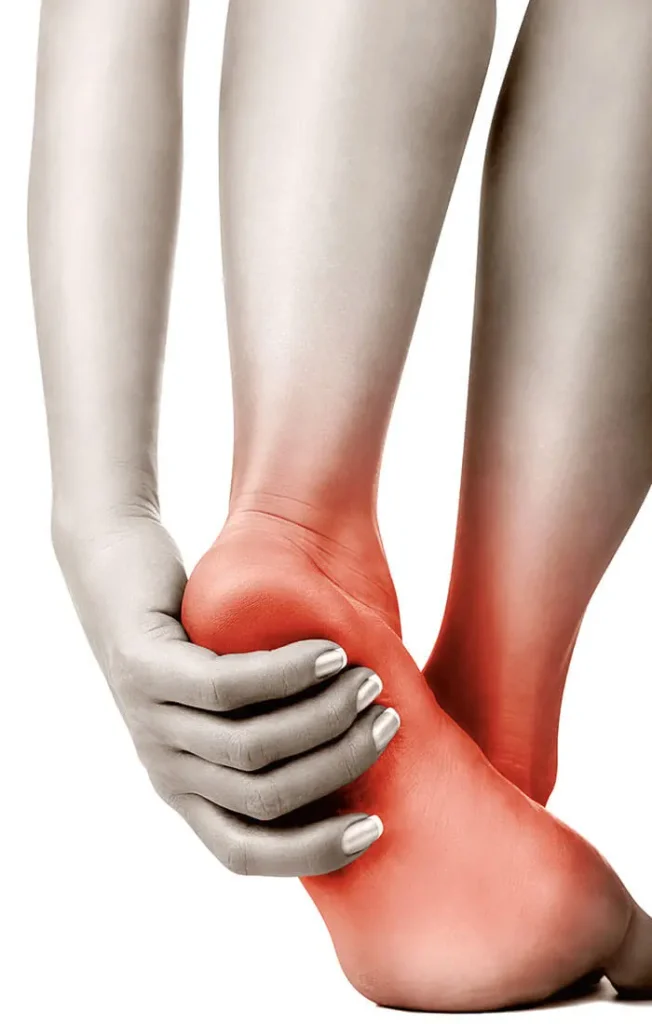
Treatment Options for Dry Needling for Plantar Fasciitis
Treatments are different for every person depending on the patient’s symptoms and needs. Some treatment strategies may include:
If you are experiencing plantar fasciitis or have any other foot or ankle concerns, we encourage you to contact Keep Me Walking Podiatry on 1800 962 113 to schedule an appointment. Your podiatrist can assess your concern and explain whether dry needling or other options may suit you.
FAQ's for Dry Needling for Plantar Fasciitis
What is dry needling for plantar fasciitis?
Dry needling uses very fine, sterile, single-use needles placed into tight areas of muscle in the foot and lower leg. For some people with plantar fasciitis it may be used as one part of a wider plan, alongside exercises, footwear advice and other care. Evidence for it varies, and it isn’t suitable for everyone.
What does the research say about dry needling for plantar fasciitis?
Some studies suggest dry needling may help some people with plantar heel pain, but the evidence is limited and results are mixed. Your podiatrist will review your progress and adjust your plan.
Is dry needling similar to acupuncture?
While dry needling and acupuncture both use needles, they are different. Dry needling heel pain treatment focuses on relaxing tight muscles and easing pain, especially in people with plantar fasciitis, while acupuncture follows traditional Chinese medicine.
What are trigger points in the context of plantar fasciitis treatment?
Trigger points are tight muscle spots that can cause pain in other areas. In plantar fasciitis treatment, trigger point therapy helps by using needles to relax these spots and reduce pain in the foot.
Can dry needling be used as a standalone treatment for plantar fasciitis?
It is usually used as one part of a wider plan, alongside other plantar fasciitis treatment options such as stretching or strengthening exercises. Combining treatments is common, although results vary.
Are there any side effects associated with dry needling for plantar heel pain?
Some people may have mild side effects like soreness or bruising after dry needling for plantar fasciitis. These usually go away quickly. To stay safe, it’s best to see an Ahpra-registered practitioner trained in dry needling.
How long does it take to see results from dry needling in patients with plantar heel pain?
Some people may have mild side effects like soreness or bruising after dry needling for plantar fasciitis. These usually go away quickly. To stay safe, it’s best to see an Ahpra-registered practitioner trained in dry needling.
Who is a good candidate for dry needling treatment?
Anyone with tight muscles or plantar heel pain may benefit from dry needling for muscle pain Adelaide. If you have plantar fasciitis, talk to your doctor or therapist to see if dry needling for plantar fasciitis Adelaide is right for you.