
Dry Needling Treatment in Adelaide
At Keep Me Walking Podiatry, we offer dry needling as one option, alongside other treatment, for some muscle-related foot and heel pain. Whether you’re looking for dry needling in Adelaide or want to learn about the difference between dry needling and acupuncture, your podiatrist can explain whether it may suit you.
KMW Podiatry for Dry Needling
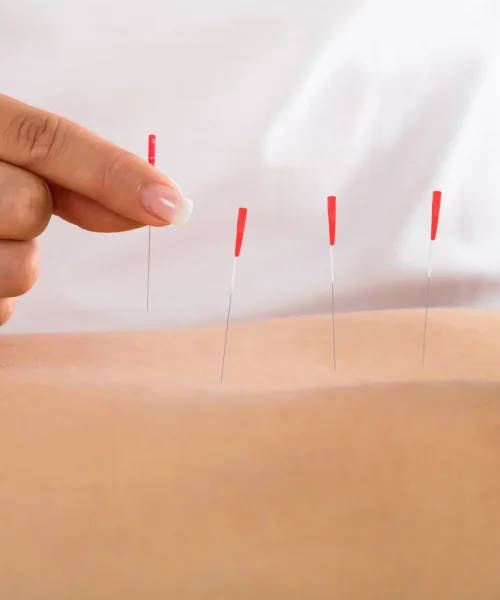
Dry needling uses very fine, sterile, single-use needles placed into tight areas of muscle (trigger points) in the foot and lower leg. No medicine is injected. It is different from acupuncture, which is based on traditional Chinese medicine. Possible side effects include temporary soreness, bruising, light-headedness and, rarely, infection, and your podiatrist will explain these before asking for your consent.
At KMW, our podiatrists offer dry needling where suitable, as one part of a wider plan for some foot and ankle pain. Dry needling may be used alongside other treatment for some muscle-related foot and heel pain, such as plantar heel pain. Evidence varies by condition. Medical-grade footwear may also be recommended.
In addition to dry needling, we also offer a range of other treatment options, including custom orthotics, vascular assessment, stretches and exercises, and, in some cases, referral for surgery. Your podiatrist will explain the options that may suit you.
If you’re interested in learning more about dry needling courses, dry needling training, or even comparing dry needling vs acupuncture, our podiatrists can explain whether it suits your needs.
Why Choose Us for Your Care?
KMW Podiatry provides podiatry care across metropolitan Adelaide and Gawler, with treatment planned around each patient’s needs.
Health Scheme Support
We see patients under WorkCover, GP care plans, NDIS, DVA, Support at Home and other funding arrangements, so cost and eligibility are clear from the start.
Ahpra-Registered Podiatrists
Your care is provided by podiatrists registered with the Australian Health Practitioner Regulation Agency.
Convenient Locations
Clinics across metropolitan Adelaide and Gawler, located inside GP practices, medical centres and stand-alone sites.
Home Visits Available
Where travelling to a clinic is difficult, eligible patients across Adelaide can receive podiatry care at home.
Treatment Options With Dry Needling
Treatments are different for every person depending on the patient’s symptoms and needs. Some treatment strategies may include:
At Keep Me Walking Podiatry, we aim to provide careful, evidence-based podiatry care at every visit. If you are experiencing foot or ankle pain and are interested in dry needle therapy or other foot care services, we encourage you to contact us at 1800962113 or through our website’s contact form to schedule an appointment.
FAQ's for Dry Needling Treatment
What is dry needle therapy?
Dry needling uses very fine, sterile, single-use needles placed into tight areas of muscle. No medicine is injected. KMW podiatrists offer it where suitable, as one part of a wider plan, alongside exercises, footwear advice and other care. It isn’t suitable for everyone, and evidence for it varies by condition.
What is dry needling, and how does it work?
Dry needling therapy is a treatment that involves inserting thin dry needles into specific trigger points in muscles, as one part of care for some muscle-related pain. Unlike traditional acupuncture, dry needling vs acupuncture focuses on musculoskeletal conditions and is used by trained practitioners for some foot and ankle pain.
Is dry needling the same as acupuncture?
No, there is a difference between dry needling and acupuncture. While both techniques use fine needles, acupuncture vs dry needling differs in approach. Acupuncture is based on traditional Chinese medicine and focuses on balancing energy flow, whereas dry needling therapy is a technique used for some muscle-related pain and tightness.
What are the benefits of dry needling for foot and ankle pain?
Dry needling may help reduce muscle tightness and pain for some people with muscle-related foot and heel pain, such as plantar heel pain. Evidence varies by condition and results vary between individuals.
Who can perform dry needling therapy?
Dry needling should be done by a registered health practitioner, such as a podiatrist, with appropriate training. If you’re interested in learning this technique, you may also look into dry needling courses or dry needling training to understand how it works.
How many dry needling sessions will I need?
The number of sessions varies based on the severity of the condition. Your podiatrist will discuss how many sessions may be suitable for you, and results vary.
Does dry needling hurt, and are there any side effects?
Most patients feel minimal discomfort during the procedure. The sensation is often described as a quick muscle twitch or mild cramping. Side effects can include soreness, bruising and, rarely, more serious complications. Soreness typically settles within 24-48 hours. Your podiatrist will discuss these with you.
What conditions can be treated with dry needle therapy?
Dry needling may be used alongside other treatment for some muscle-related foot and heel pain, such as plantar heel pain. Evidence varies by condition. Your podiatrist can help determine if dry needle therapy is an appropriate treatment option for your specific condition.
How can I contact Keep Me Walking Podiatry for more information or to schedule an appointment?
You can contact us at 1800962113 or through our website’s contact form for more information or to schedule an appointment. Your podiatrist can explain whether dry needling or other options may suit you.