
Shockwave Therapy for Tendonitis in Adelaide
Shockwave therapy is a non-invasive treatment option for various musculoskeletal conditions, including tendonitis. This guide aims to provide you with a comprehensive understanding of shockwave therapy, its effectiveness, and its applications in treating tendonitis, particularly in Adelaide. It also explains who it may suit and what to expect.
Shockwave Therapy and How Does it Work?
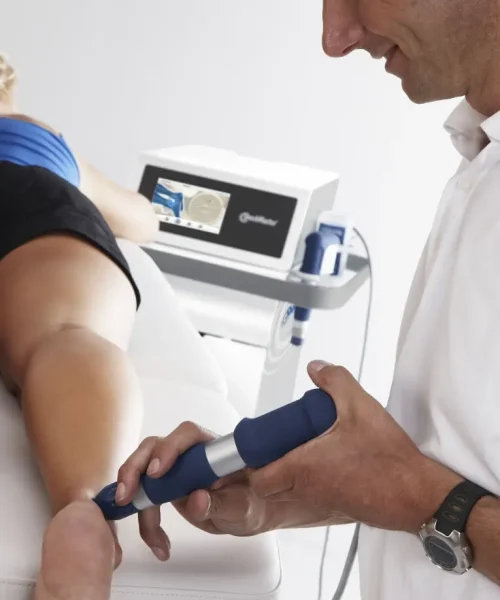
Shockwave therapy involves the application of high-energy pressure waves to the affected area, stimulating the body’s natural healing process. These shock waves penetrate deep into the tissue, promoting increased blood flow and activating growth factors that aid in tissue healing. By targeting trigger points and damaged tendons, shockwave therapy aims to support the body’s repair processes and is used for problems such as tendinopathy, and for conditions such as plantar fasciitis, often when other treatments have not helped. The non-invasive nature of this therapy makes it an appealing option for patients seeking relief without surgery.
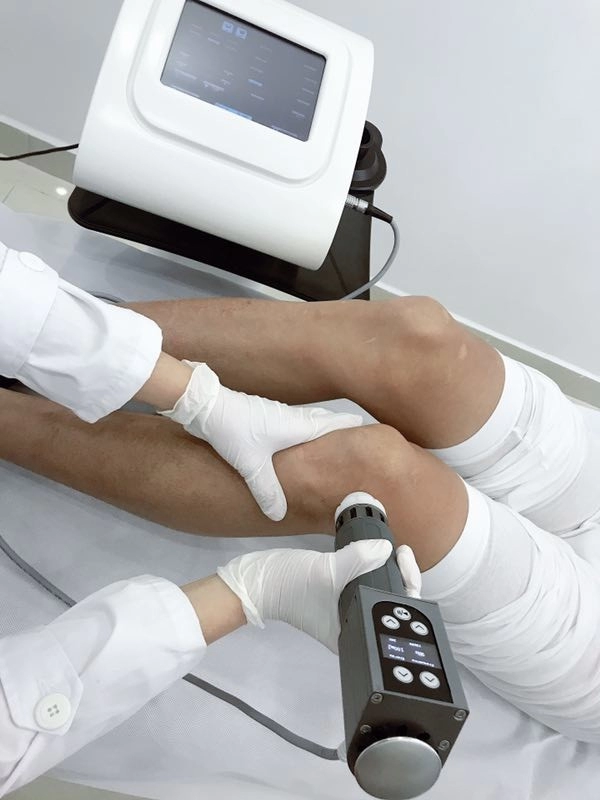
In Adelaide, podiatrists use a handpiece to deliver shock waves to the areas in need of treatment. The process works by breaking down calcifications and stimulating metabolic processes within the tissues. There is usually little downtime, and most people can continue their daily activities after treatment. Results vary between individuals, and your podiatrist will discuss whether it suits you.
Why Choose Us for Your Care?
KMW Podiatry provides podiatry care across metropolitan Adelaide and Gawler, with treatment planned around each patient’s needs.
Health Scheme Support
We see patients under WorkCover, GP care plans, NDIS, DVA, Support at Home and other funding arrangements, so cost and eligibility are clear from the start.
Ahpra-Registered Podiatrists
Your care is provided by podiatrists registered with the Australian Health Practitioner Regulation Agency.
Convenient Locations
Clinics across metropolitan Adelaide and Gawler, located inside GP practices, medical centres and stand-alone sites.
Home Visits Available
Where travelling to a clinic is difficult, eligible patients across Adelaide can receive podiatry care at home.
How Effective is Shockwave Therapy for Tendonitis?
Some studies report improvement in pain for chronic tendon conditions after shockwave therapy, but results vary between individuals. It is usually considered when tendon pain has not settled with other treatment, such as load management, exercise or footwear changes.
Shockwave therapy can form part of a wider treatment plan, including GP treatment plans where your GP has referred you for podiatry. It is often considered for people whose symptoms have not improved with more conservative methods, such as rest or medication. Your podiatrist will explain the likely benefits, side effects and number of sessions for tendon injuries like yours.
FAQ's for Shockwave Therapy for Tendonitis
What is shockwave therapy for tendonitis?
Shockwave therapy is a non-invasive treatment that uses shock waves aimed at stimulating healing in tendons affected by conditions such as tendonitis. It is used for problems such as Achilles tendinopathy and plantar heel pain. Results vary.
How does shockwave therapy work?
Shockwave therapy works by delivering radial shockwaves through a handpiece to the affected area, stimulating blood flow and cellular repair processes. This aims to reduce pain associated with tendon injuries.
What can I expect during a shockwave therapy treatment session?
During a shockwave therapy session, your podiatrist will apply a gel to the skin and use a handpiece to deliver shockwaves to the injured tendon. Some people find the treatment uncomfortable; the intensity can be adjusted.
How many treatments of shockwave therapy in Adelaide will I need?
The number of treatments depends on your condition and the severity of your tendon injury. Your podiatrist will recommend a number of sessions and review your progress.
Can shockwave therapy help heel spurs?
Shockwave therapy is sometimes used for heel pain associated with heel spurs. It may help reduce pain for some people, but results vary.
Are there any side effects associated with shockwave therapy?
Side effects are usually mild, such as temporary redness, soreness or swelling in the treated area. These usually settle quickly. Your podiatrist will check whether the treatment is suitable for you.
How can I book shockwave therapy in Adelaide?
Book online or call 1800 962 113 to check which KMW Podiatry clinics offer shockwave therapy.
What is shockwave therapy aiming to achieve for tendon injuries?
The aim is to reduce pain and improve function in chronic tendon conditions. It is non-invasive, although results vary and it does not suit everyone.
Can shockwave therapy help with calcification in tendons?
Shockwave therapy may help break down calcific deposits within tendons in some people, which may reduce pain and improve function in conditions such as calcific tendonitis.
What should I do if I think I have Achilles tendonitis?
If you suspect you have Achilles tendonitis, it is advisable to see a podiatrist or your GP. They can assess your condition and discuss if shockwave therapy or other treatment options would be appropriate for your recovery.