
Dry Needling and Morton’s Neuroma: Advice in Adelaide
Pain, burning or tingling in the ball of the foot can have several causes, including Morton’s neuroma. At KMW Podiatry, we assess your symptoms and discuss appropriate care at our Adelaide clinics. An assessment comes before deciding whether any procedure is suitable.
Assessment and Care for Morton’s Neuroma
Morton’s neuroma involves thickened tissue around a nerve in the forefoot. Symptoms can include burning pain, tingling or a feeling of a pebble beneath the foot. Similar symptoms can arise from other conditions, so an examination is important.
Your podiatrist will ask about symptoms, footwear and activities and assess the foot. Depending on the findings, options may include roomier footwear, changes to activities that aggravate symptoms, and pads or insoles. Persistent symptoms may require further assessment or referral to discuss other treatments.
For general information, see the NHS guide to Morton’s neuroma. Care should be tailored to your diagnosis and circumstances.
Why Choose Us for Your Care?
KMW Podiatry provides podiatry care across metropolitan Adelaide and Gawler, with treatment planned around each patient’s needs.
Health Scheme Support
We see patients under WorkCover, GP care plans, NDIS, DVA, Support at Home and other funding arrangements, so cost and eligibility are clear from the start.
AHPRA-Registered Podiatrists
Your care is provided by podiatrists registered with the Australian Health Practitioner Regulation Agency.
Convenient Locations
Clinics across metropolitan Adelaide and Gawler, located inside GP practices, medical centres and stand-alone sites.
Home Visits Available
Where travelling to a clinic is difficult, eligible patients across Adelaide can receive podiatry care at home.
Considering Dry Needling: Evidence and Alternatives
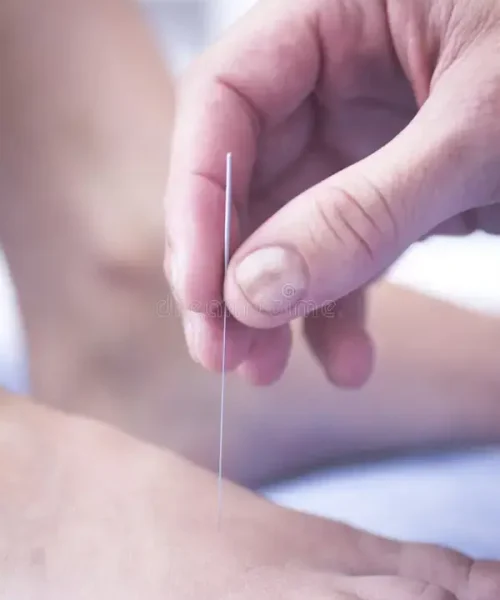
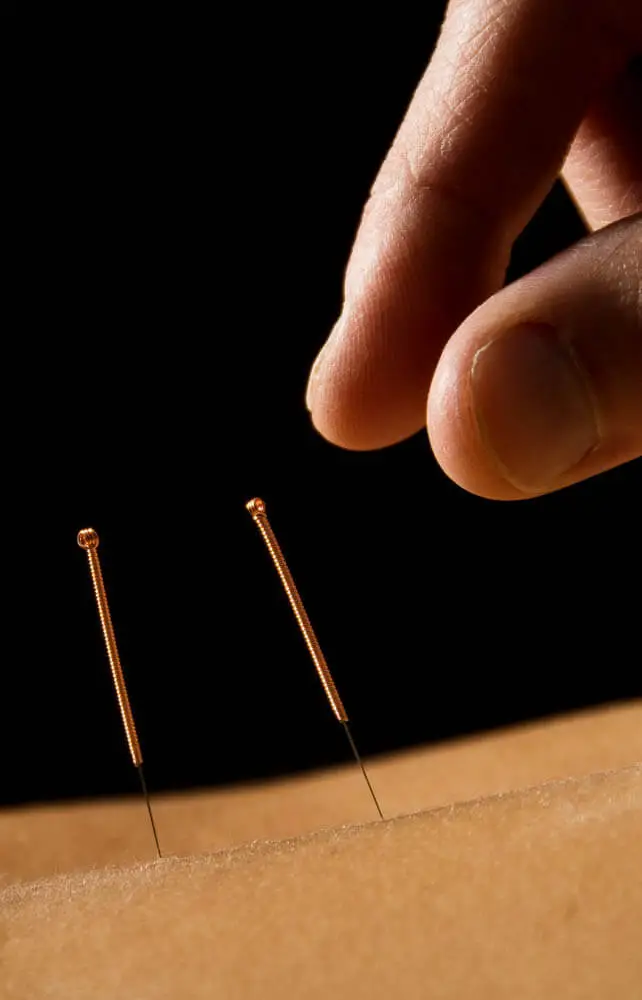
Choosing a treatment starts with a diagnosis. Dry needling is used for some muscle-related pain, but that does not establish that it treats Morton’s neuroma. We do not promise neuroma pain relief from dry needling or a set number of sessions.
Before considering a procedure, ask your podiatrist about the evidence for your particular condition, possible benefits, risks, alternatives and costs. You can choose a care plan without needling. If symptoms persist or the diagnosis is uncertain, further investigation or referral may be appropriate.
Read more about neuroma assessment and care at KMW Podiatry.
Planning Your Neuroma Care
Treatments are different for every person depending on the patient’s symptoms and needs. Some treatment strategies may include:
If you are experiencing neuroma or have any other foot or ankle concerns, we encourage you to contact Keep Me Walking Podiatry on 1800 962 113 to schedule an appointment. Your podiatrist can assess your concern and explain whether dry needling or other options may suit you.
FAQ's for Dry Needling for Neuroma
Is dry needling an established treatment for Morton’s neuroma?
Benefits reported for muscle pain cannot be assumed to apply to Morton’s neuroma. An assessment should identify the likely cause of your symptoms and explain the evidence and alternatives before any needling is considered. No particular result is promised.
Do burning pain or numb toes mean I need dry needling?
No. These symptoms need an assessment; they do not identify a particular treatment. Tell your podiatrist when symptoms started, which activities or shoes affect them, and whether you have numbness or weakness.
How long will my appointment take?
Appointment length depends on the assessment and any care agreed with you. Ask our team when booking. Follow-up appointments should depend on your clinical needs and a review of your progress.
What should I know about dry needling risks?
Dry needling is not risk-free. Possible effects include soreness, bruising, bleeding and temporary symptom aggravation; infection and other complications can occur. Tell your practitioner about medical conditions, pregnancy and medicines, including blood thinners. They should explain risks relevant to the proposed site and obtain your consent. Dry needling does not itself involve injecting local anaesthetic.
Can dry needling be uncomfortable?
Needling can cause discomfort during or after treatment. Your practitioner should explain what to expect and what to do if symptoms worsen. You can ask to stop or choose another option.
What other options can I discuss for neuroma symptoms?
Ask about footwear changes, activity modification and suitable pads or insoles. If symptoms continue, your clinician may discuss further investigations or referral. Each option has its own potential benefits and limitations; combining treatments does not guarantee a better result.
What should I wear to my appointment for dry needling?
It is recommended to wear comfortable clothing and footwear that allows easy access to your foot and ankle for the treatment.
How can I prepare for my dry-needling appointment?
To prepare for your appointment, ensure that you have discussed any previous treatments or medications with your practitioner and arrive a few minutes early to complete any necessary paperwork.