
Clubfoot Treatment In Adelaide
At KMW Podiatry, we provide care for clubfoot in Adelaide. Our team offers personalised treatment plans aimed at supporting foot alignment and mobility, with care suited to your child’s needs.
Clubfoot Treatment and Ongoing Care
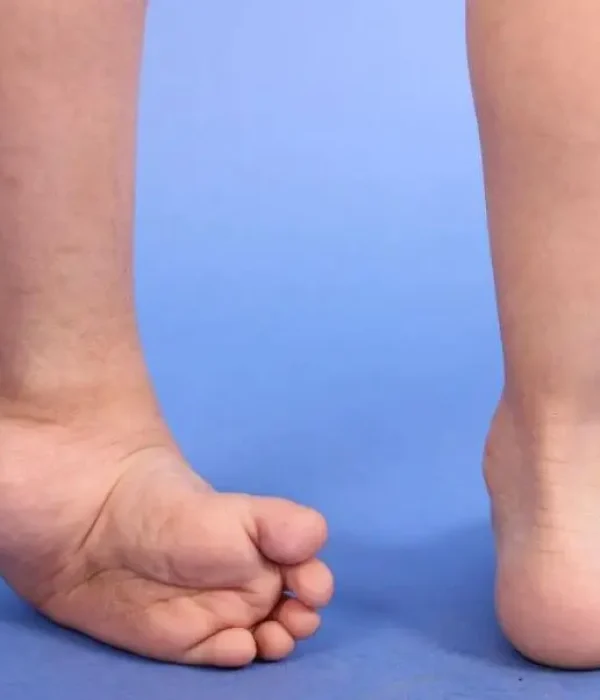
At KMW Podiatry, our podiatrists support clubfoot care. Clubfoot is usually treated with the Ponseti method, which involves gentle stretching and casting. This is the most common initial treatment for clubfoot, including infant clubfoot treatment and clubfoot newborn treatment. The aim is to improve foot alignment so your child can walk and play comfortably.
The clubfoot Ponseti treatment typically involves a series of casts that are changed weekly to gradually reposition the foot. After achieving the desired correction, a minor procedure called a tenotomy might be performed to release the Achilles tendon. This is followed by another cast for a few weeks.
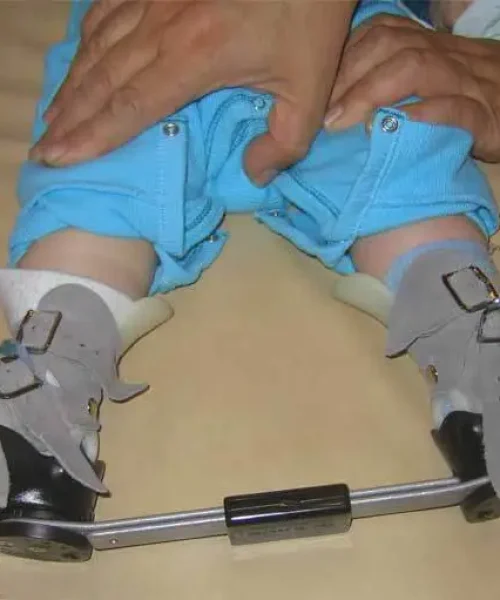
Post-treatment care includes using a brace, often referred to as a foot abduction orthosis, to maintain the correction and reduce the risk of relapse. Regular follow-up visits are essential to monitor your child’s progress and adjust the treatment plan as needed. Our podiatrists work with your child’s treating team on clubfoot treatment, whether it’s bilateral clubfoot treatment or care for other cases.
Clubfoot Treatment Plans for Lifelong Mobility
Clubfoot treatment plans are tailored to your child’s specific needs. Initial treatment often includes serial casting to gradually correct the foot position. In some cases, a minor procedure by a surgeon may be needed to release tight tendons.
After the casting phase, bracing is used to help maintain the correction and keep your child’s foot in the correct position. Clubfoot exercise therapy can also help to strengthen foot and leg muscles and promote proper movement patterns.
Our podiatrists work closely with you to provide guidance and support throughout the clubfoot treatment process. We offer advice on brace usage and care, along with exercises you can do at home. Regular check-ups help monitor progress and allow any necessary adjustments.
Why Choose Us for Your Care?
KMW Podiatry provides podiatry care across metropolitan Adelaide and Gawler, with treatment planned around each patient’s needs.
Health Scheme Support
We see patients under WorkCover, GP care plans, NDIS, DVA, Support at Home and other funding arrangements, so cost and eligibility are clear from the start.
Ahpra-Registered Podiatrists
Your care is provided by podiatrists registered with the Australian Health Practitioner Regulation Agency.
Convenient Locations
Clinics across metropolitan Adelaide and Gawler, located inside GP practices, medical centres and stand-alone sites.
Home Visits Available
Where travelling to a clinic is difficult, eligible patients across Adelaide can receive podiatry care at home.
At Keep Me Walking Podiatry, we aim to provide careful, evidence-based podiatry care at every visit. Our team of podiatrists will work with you to develop a personalised treatment plan to support your child with clubfoot. The Ponseti method corrects foot alignment through a series of casts and, if needed, a minor procedure performed by a surgeon. Afterwards, bracing and exercises help maintain the correction. Our goal is to help your child get back to their normal activities.
FAQ's For Clubfoot Treatment
What is the treatment for clubfoot?
The Ponseti method is the most common initial treatment for clubfoot. It involves gentle manipulation and casting to gradually correct foot alignment, followed by bracing to maintain the correction. In some cases, a minor surgical procedure may be needed to release tight tendons.
How long does clubfoot treatment take?
The initial casting phase typically takes 6-8 weeks, followed by a minor procedure if necessary. After that, bracing is required for several months to years to reduce the risk of relapse. Regular follow-ups help monitor progress.
Is clubfoot treatment painful for my child?
The Ponseti method is designed to be gentle and minimally invasive. While there might be some discomfort during casting, it is generally well-tolerated by infants. The goal is correction with as little discomfort as possible.
Can clubfoot recur after treatment?
Without proper follow-up and bracing, clubfoot can recur. Adhering to the recommended bracing schedule and attending regular check-ups reduces the risk of recurrence.
What happens if clubfoot is left untreated?
Untreated clubfoot can lead to significant mobility issues, pain, and difficulty in walking. Early treatment is important to support your child’s foot development and reduce the risk of long-term complications.